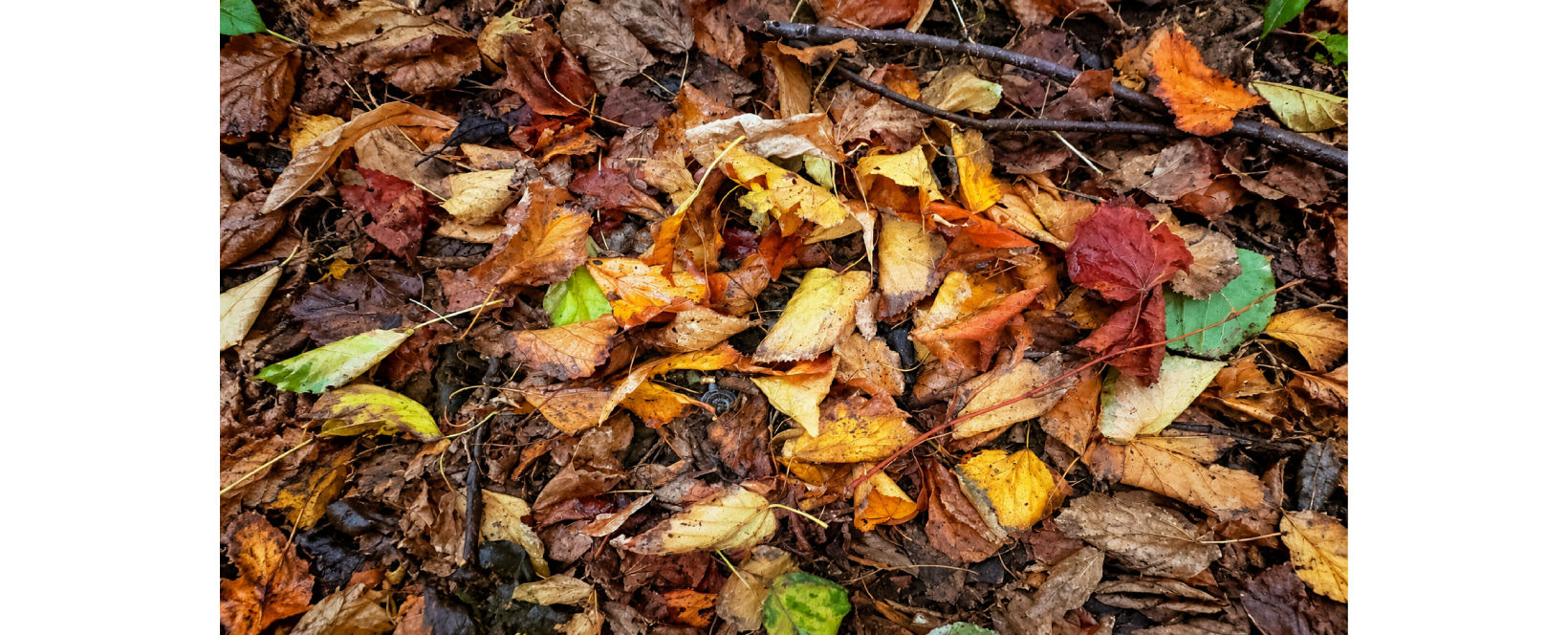
As autumn arrives and the leaves begin to fall, many of us start tidying our gardens, cutting back plants, clearing fallen leaves and preparing everything for winter. But did you know that being a little less tidy could be one of the best things you can do to help wildlife?
As temperatures drop, countless insects and other small creatures are searching for safe places to shelter during the colder months. From ladybirds and butterflies to bumblebee queens and beetles, our gardens can provide vital winter refuges.
And the good news? Helping them doesn’t have to cost anything. Sometimes, the best thing we can do for nature is simply leave things alone!
Leave the Leaves – Nature’s Winter Blanket
Fallen leaves are far more than garden waste. They create a natural insulating layer that protects the soil and provides shelter for a whole range of wildlife.
Ladybirds, ground beetles, spiders and other small creatures use leaf litter and the spaces beneath it to escape harsh winter conditions. Some moths and butterflies also spend winter hidden amongst leaves, either as caterpillars or pupae.
As leaves gradually decompose, they return nutrients to the soil and support fungi, worms and other organisms that keep our gardens healthy.
What can you do?
- Leave fallen leaves beneath hedges, shrubs and trees where possible.
- Rake leaves from lawns or paths into a quiet garden corner rather than disposing of them.
- Allow some leaves to break down naturally, creating a rich habitat for wildlife.
- A little pile of leaves could be home to more creatures than you might imagine!
Love Your Log Piles – A Home for Hidden Wildlife
Dead wood is full of life!
A small pile of logs, branches or fallen twigs can create a valuable habitat for beetles, woodlice, centipedes, spiders and many other creatures.
As wood slowly decays, fungi and microorganisms help break it down, creating an important part of the natural food web. Some beetles also depend on dead or decaying wood during their lifecycle.
Log piles can provide shelter for other wildlife too, including amphibians such as frogs and toads.
What can you do?
- Stack a few untreated logs or branches in a quiet, partly shaded corner of your garden.
- Leave some wood in contact with the soil to encourage natural decay.
- Avoid moving or disturbing established log piles during winter.
You don’t need a large garden. Even a few logs tucked beneath a hedge can make a difference.
Keep Those Stems Standing!
It can be tempting to cut back all the dead plants and flowers once summer has ended, but dried stems and seedheads have an important role to play.
Some solitary bees and other insects nest inside hollow or pithy plant stems, while others shelter amongst dead vegetation or spend winter in protected stages of their lifecycle.
Standing seedheads can also provide food for birds, while dried plants offer structure and shelter within the garden.
What can you do?
- Leave some hollow and pithy stems standing over winter and into spring.
- Keep seedheads on plants such as teasels and sunflowers for birds.
- Delay cutting back suitable plants until later in spring, and leave any occupied stems somewhere sheltered.
Your garden might look a little wilder, but it could be providing a safe haven for wildlife.
Make Room for Sleeping Bumblebee Queens
Did you know that most bumblebee colonies naturally come to an end in autumn?
Towards the end of the season, newly mated queens leave their colonies and search for suitable places to spend the winter. Depending on the species, they may shelter in loose soil, beneath vegetation or in other protected spots.
During this period, their metabolism slows and they survive on the energy reserves built up before winter.
When spring arrives and temperatures rise, surviving queens emerge to feed and begin establishing new colonies.
What can you do?
- Leave some undisturbed areas of soil and vegetation.
- Avoid unnecessary digging in sheltered garden corners during winter.
- Grow early-flowering plants to provide nectar and pollen when queens emerge.
By protecting just one overwintering queen, you could be helping an entire future colony of bumblebees.
Where Do Butterflies and Moths Go in Winter?
Not all butterflies and moths disappear when the weather turns cold. Different species have different ways of surviving winter.
Some, such as the Peacock and Small Tortoiseshell butterflies, overwinter as adults in sheltered places including tree hollows, sheds and outbuildings.
Others survive as eggs, caterpillars or pupae, often hidden amongst vegetation, leaf litter or soil.
The Brimstone butterfly is another remarkable example, spending winter as an adult concealed amongst evergreen vegetation, sometimes resembling a leaf.
What can you do?
- Leave some dense vegetation and undisturbed garden areas.
- Avoid clearing every patch of leaf litter.
If you discover a dormant butterfly, avoid handling or disturbing it unnecessarily.
Even when we can’t see them, many of our butterflies and moths are still there, quietly waiting for spring.
A Little Mess Can Make a Big Difference!
You don’t need to turn your entire garden into a wilderness to help wildlife.
A small log pile, a patch of fallen leaves, a few standing stems or an undisturbed corner can all provide valuable winter habitats.
And these natural shelters often support far more than just pollinators. Beetles, spiders, worms, frogs, birds and many other creatures benefit from gardens that offer a variety of habitats.
Five simple things you can do this autumn:
- Leave some fallen leaves beneath hedges and shrubs.
- Create a small log or branch pile.
- Keep some dried stems and seedheads standing.
- Leave sheltered soil and vegetation undisturbed.
- Plan for early-flowering plants to help pollinators in spring.
This Autumn, Give Nature a Place to Rest
At We Are Pollinator Pioneers, we believe that small actions can make a big difference for our wildlife.
Whether you have a large garden, a tiny courtyard or a few pots, there are ways to make your outdoor space more welcoming to nature.
So this autumn, before reaching for the rake or secateurs, take a moment to think about the wildlife that might be relying on those leaves, stems and quiet corners.
Sometimes, doing a little less can help nature a whole lot more!
Do you have a wild corner in your garden? We’d love to hear what you’re doing to help wildlife this autumn.