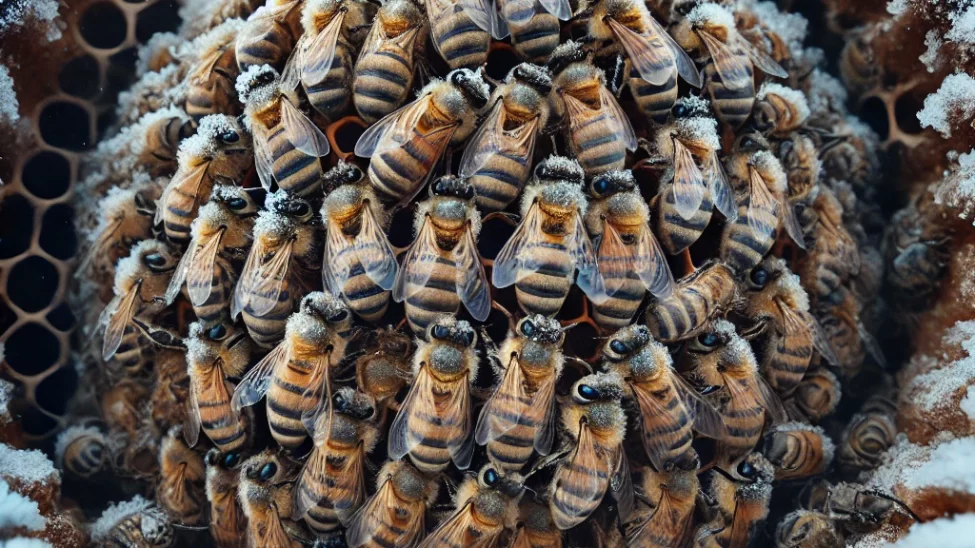
As winter sets in and snow blankets the landscape, many people think that nature slows down, including the crucial work of pollination. However, pollinators don’t entirely vanish in the cold months. In fact, some species have developed remarkable strategies to stay active and continue their vital role, even when the temperatures drop. Understanding which pollinators are still at work in winter and how we can support them is key to maintaining biodiversity and plant health through the colder season.
Who Are Winter Pollinators?
While many of the familiar pollinators, like bees and butterflies, take a break during winter, several hardy species stay busy. Here are some of the main pollinators active during the cold months:
- Honeybees
Although most honeybees huddle together in their hives during the winter to stay warm, they don’t remain completely inactive. On milder days, they venture out to forage for food. These bees are particularly important for pollinating winter-blooming plants, especially in warmer regions where flowers like winter jasmine or camellias bloom. Honeybees typically forage when temperatures exceed about 50°F (10°C).
- Winter Bees and Bumblebees
In areas with mild winters, some bumblebee species remain active. Queen bumblebees, in particular, may wake from hibernation during warmer spells to seek out late-season nectar. Though they are less abundant than in spring or summer, these bees are crucial for pollinating early-blooming plants, like hellebores or snowdrops, that thrive in the cold months.
- Flies
In many parts of the world, certain fly species, like the cluster fly and the winter hoverfly, are still active during winter. These flies can withstand the cold and help pollinate plants that bloom in winter, such as winter heathers or ivy. While they aren’t as efficient as bees, they still play an important role in pollinating early-blooming flowers.
- Moths
Some moths, especially those active during the winter months, also contribute to pollination. These moths are often adapted to colder weather, with fur-lined bodies that help them stay warm. They pollinate winter-blooming plants, including the winter sweet and camellia, helping to sustain plant life through the colder months.
- Birds and Other Pollinators
While insects are the main winter pollinators, certain birds, including woodpeckers, may assist by dispersing pollen as they feed on insects in or around plants. Though their main role isn’t to pollinate directly, they can still support plants that depend on insect activity.
How to Support Winter Pollinators
Pollinators face many challenges in winter, with resources becoming scarcer. Here are some ways you can help them thrive during the colder months:
- Plant Winter-Blooming Flowers
Flowers like witch hazel, snowdrops, crocuses, and hellebores provide much-needed nectar for pollinators during late fall and early spring.
- Provide Shelter
Bee houses, bumblebee hives, and other insect refuges can help pollinators survive the cold. Leaving deadwood or leaf litter in your garden can also provide shelter for bees and other insects during the winter months.
- Avoid Pesticides
While you might not be using pesticides in winter, it’s important to minimize their use year-round. Even small doses of pesticides can harm pollinators, disrupting ecosystems and killing beneficial insects.
- Create a Pollinator-Friendly Habitat
Designing a garden with diverse plants that bloom at different times, sources of water, and safe shelters for insects can make a big difference. Native plants, in particular, are well-suited to local pollinators, offering food and shelter year-round.
- Provide Fresh Water
Pollinators need water throughout the winter. You can help by placing shallow dishes of water near pollinator-friendly plants or adding birdbaths with rocks or sticks to help pollinators land and drink.
While winter might seem quiet in the garden, it’s still a critical time for pollinators. Honeybees, bumblebees, flies, moths, and even some birds remain active, ensuring plants continue to be pollinated and ecosystems stay healthy. By creating pollinator-friendly environments and supporting these resilient creatures, we can help them survive through the harsh winter months and continue their important work when warmer weather returns. With a little care, we can ensure that winter pollinators thrive, benefiting both nature and the crops that depend on them throughout the year.